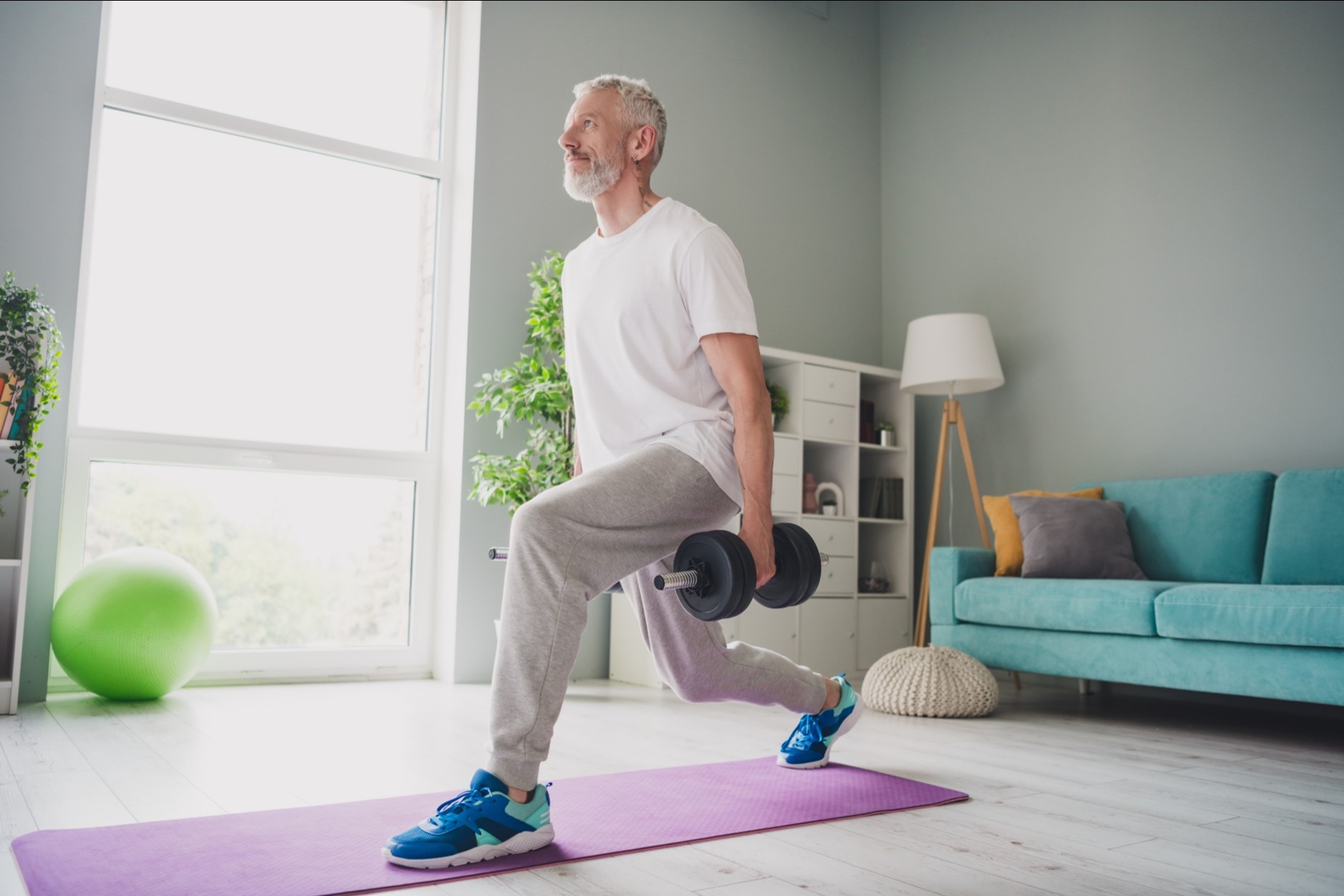

If there’s one thing you can do today to transform your health, it’s this: move more. Regular exercise lowers your risk of heart disease, stroke, cancer, diabetes, osteoporosis, depression, dementia, chronic pain, obesity—and even improves sleep and happiness. In fact, physical activity is one of the most powerful predictors of how long and how well you’ll live.
So here’s the big question: why are Australians moving less than ever?
We sit on trains, planes, and in cars. We spend hours at desks and even more on couches. Research shows that just two hours of daily TV watching increases obesity risk by 23% and diabetes risk by 17%. But the flip side is just as powerful: an hour of brisk walking lowers obesity risk by 34% and diabetes risk by 24%.
The problem isn’t just our lifestyles—it’s also the myths we believe about exercise. Today, we’re busting some of the most common ones.
Myth 1: “I don’t have time to exercise”
Reality: Even the busiest people in the world—including prime ministers, CEOs, and parents juggling multiple jobs—find time to move. Why? Because they know it’s not optional. Studies show you don’t need hours in the gym. Just 30 minutes a day, broken into short bursts (like three 10-minute walks), delivers real benefits.
Myth 2: “Not exercising is normal these days”
Reality: Being sedentary may have become a population trend, but it’s far from “normal” for your body. Humans are designed to move. When we don’t, systems break down—muscles weaken, joints stiffen, fat stores increase, and disease risk skyrockets. Physical inactivity is now considered one of the leading risk factors for global mortality, according to the World Health Organization.
Myth 3: “Strength training will make me bulky”
Reality: This one is especially common among women. The truth? Without very high training volumes and testosterone, bulking up isn’t likely. Instead, resistance training:
-
Strengthens bones (crucial for preventing osteoporosis).
-
Protects joints and posture.
-
Preserves lean muscle, which boosts metabolism and helps manage weight.
Think of strength training as your “longevity insurance.”
Myth 4: “If I exercise, I can eat whatever I want”
Reality: Sadly, you can’t outrun (or out-walk) a poor diet. In fact, some new exercisers actually gain weight—not because exercise doesn’t work, but because they reward themselves with extra food or spend more time lounging afterward. Movement is powerful, but it works best alongside mindful eating.
Myth 5: “If I don’t lose weight, it’s a waste of time”
Reality: Exercise is never wasted. Its benefits go far beyond the scale:
-
Better mental health and reduced stress.
-
Stronger immunity.
-
Improved sleep quality.
-
Greater energy and quality of life.
Weight change is only one measure—healthspan (the years you live well) is the real goal.
The First Step is Half the Journey
If you’re thinking of becoming more active, congratulations—you’re already halfway there. The Greek proverb reminds us: “The first step is half the journey.”
So take that first step today. It doesn’t matter whether it’s a walk around the block, a stretch at your desk, or your first gym class. What matters is that you move—and keep moving.
References
-
Hu FB, et al. Television watching and other sedentary behaviours in relation to risk of obesity and type 2 diabetes mellitus in women. JAMA. 2003.
-
Arem H, et al. Leisure time physical activity and mortality. JAMA Intern Med. 2015.
-
World Health Organization. Physical inactivity: a global public health problem. 2023.
-
Westcott WL. Resistance training is medicine: effects of strength training on health. Curr Sports Med Rep. 2012.