

HYDRATION: ONE OF THE MOST OVERLOOKED KEYS TO HEALTH AND LONGEVITY
Water is one of the most important nutrients for human life, yet it’s often the most neglected. Every cell, tissue and organ in the body depends on adequate hydration to function properly.
At Younger Longer, we emphasise that something as simple as drinking enough fluids each day can have a powerful impact on energy levels, physical performance, cognitive function and long-term health.
Why Hydration Matters
The human body is made up of roughly 50–70% water, depending on age, sex and body composition. Water is essential for many vital processes, including:
• Regulating body temperature
• Transporting nutrients and oxygen
• Supporting digestion and nutrient absorption
• Removing waste products through urine and sweat
• Maintaining healthy joints and tissues
• Supporting brain function and concentration
Even mild dehydration – around 1–2% loss of body weight through fluid loss – can lead to reduced physical performance, fatigue, headaches and impaired concentration.
How Much Water Do We Need?
Fluid needs vary depending on body size, physical activity and environmental conditions.
Current Australian health guidelines suggest that average daily fluid intake should be approximately:
Adults
• Men: Around 2.6 litres of fluids per day
• Women: Around 2.1 litres of fluids per day
These totals include fluids from drinks, with additional water coming from foods such as fruit and vegetables and vary depending on environmental temperature, activity levels and a slew of other factors.
Children require slightly less but still need regular fluid intake throughout the day. For example:
• Ages 1–3: About 1 litre of fluids daily
• Ages 4–8: About 1.2 litres daily
• Adolescents: 1.6–1.9 litres daily
Fluid requirements increase when people are:
• Physically active
• Exercising in warm or humid conditions
• Living in hot climates
• Pregnant or breastfeeding
Hydration and Ageing
Hydration becomes even more important as we age.
Older adults often experience a reduced sense of thirst, which means they may not drink enough fluids even when the body needs them. In addition, age-related changes in kidney function can make fluid balance more delicate.
Poor hydration in older adults has been associated with:
• Fatigue and dizziness
• Reduced concentration and cognitive performance
• Constipation
• Increased risk of falls
• Kidney problems and urinary tract infections
Maintaining regular fluid intake throughout the day can help prevent these issues.
How to Tell If You’re Well Hydrated
One simple way to monitor hydration is by checking urine colour.
• Pale yellow or straw-coloured urine usually indicates good hydration.
• Dark yellow urine may suggest you need more fluids.
Another helpful habit is to drink regularly rather than waiting until you feel thirsty, as thirst is often a late signal that the body is already slightly dehydrated.
What Should You Drink?
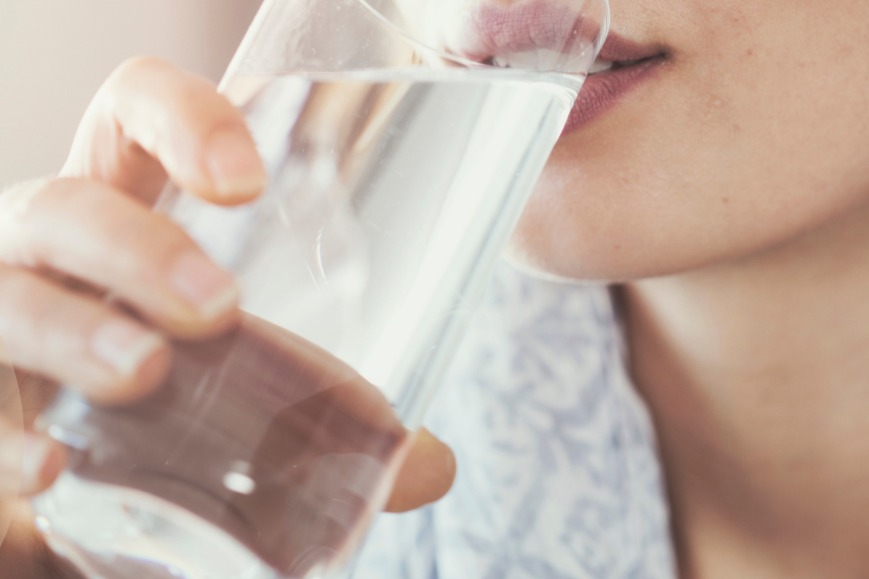
Water remains the best and most reliable source of hydration.
Other drinks can also contribute to fluid intake, including:
• Milk
• Herbal teas
• Soups
• Sparkling water
While fruit juices and soft drinks contain fluids, they often contain large amounts of sugar and should be consumed in moderation.
For most people, plain water should make up the majority of daily fluid intake.
Hydration and Physical Activity
Exercise increases fluid loss through sweat, particularly in warm conditions.
During prolonged exercise, the body may lose 1–3 litres of fluid per hour, depending on intensity, temperature and individual sweat rates.
Replacing lost fluids before, during and after exercise helps maintain performance, prevent overheating and support recovery.
The Younger Longer Perspective
Hydration is one of the simplest habits you can improve to support long-term health. Adequate fluid intake helps maintain energy, mental clarity, digestive health and physical performance.
Yet many people move through the day mildly dehydrated without realising it.
A simple strategy is to keep water easily accessible throughout the day – on your desk, in your bag, or beside you when exercising.
Small habits like this can make a significant difference over time.
Sometimes the most powerful health strategies are also the simplest and staying properly hydrated is one of the easiest ways to support your body to live Younger Longer.