


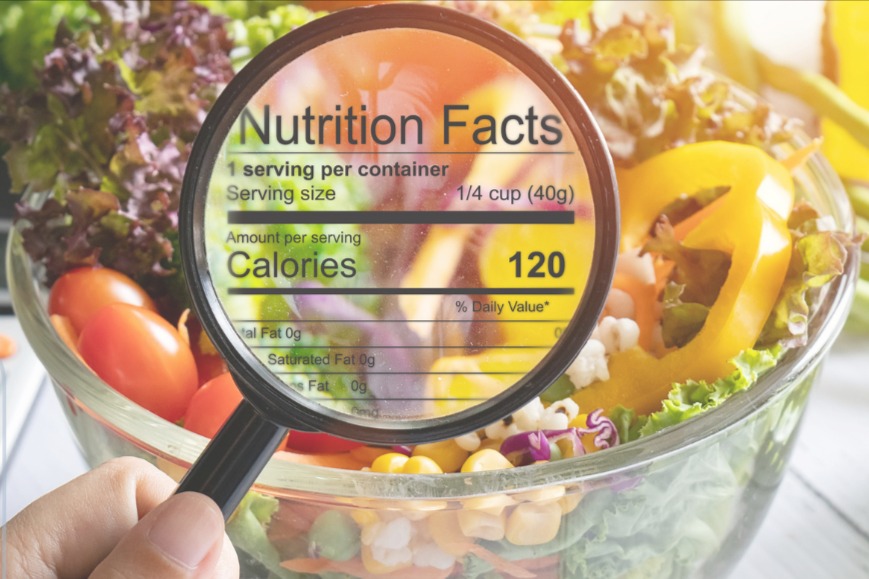
EAT THE RAINBOW – A SIMPLE WAY TO BOOST YOUR HEALTH AND LONGEVITY
When it comes to healthy eating, complicated diets often get the attention. One of the simplest and most powerful nutrition strategies is also one of the easiest to remember:
Eat the rainbow.
At Younger Longer, we encourage people to focus less on restrictive diets and more on variety and whole foods. One of the best ways to do that is by filling your plate with colourful fruits and vegetables.
Why colour? Because the natural pigments that give plants their vibrant colours contain powerful compounds known as phytonutrients.
What Are Phytonutrients?
Phytonutrients are natural compounds produced by plants to help protect them from environmental stresses such as sunlight, pests and disease.
When we eat these foods, we benefit from those protective compounds too.
Research shows that diets rich in colourful fruits and vegetables are associated with lower risks of heart disease, certain cancers, cognitive decline and chronic inflammation.
Each colour group provides slightly different nutrients and health benefits.
The Colours of Health
Red foods support heart health
Red fruits and vegetables often contain lycopene and other antioxidants that help protect the cardiovascular system.
Examples include:
• Tomatoes
• Red capsicum
• Strawberries
• Watermelon
• Red grapefruit
These compounds help combat oxidative stress and support heart health.
Orange and yellow foods support immunity and skin health
These foods are rich in carotenoids and beta-carotene, which the body converts to vitamin A.
Examples include:
• Carrots
• Pumpkin
• Sweet potato
• Mango
• Apricots
• Corn
These nutrients help support immune function, skin health and vision.
Green foods support eye and cellular health
Green vegetables are rich in lutein, chlorophyll and other powerful plant compounds.
Examples include:
• Broccoli
• Kale
• Spinach
• Zucchini
• Avocado
• Kiwi fruit
These nutrients support eye health, detoxification pathways and overall cellular protection.
Purple and blue foods support brain and blood vessels
Deep blue and purple foods contain anthocyanins, compounds linked to improved vascular and brain health.
Examples include:
• Blueberries
• Blackberries
• Cherries
• Beetroot
• Red cabbage
• Eggplant
Research suggests these foods may help support circulation, memory and healthy ageing.
White foods support immune health
Although less colourful, white vegetables contain valuable compounds such as allicin and sulphur-containing phytonutrients.
Examples include:
• Garlic
• Onions
• Leeks
• Cauliflower
These foods support immune function and may help reduce inflammation.
Variety Matters
One of the easiest mistakes people make is eating the same fruits and vegetables every day.
For example, having the same apple daily as your only fruit limits the diversity of nutrients you receive.
Instead, aim to rotate seasonal fruits and vegetables and include a variety of colours throughout the week.
Simple ways to do this include:
• Adding mixed vegetables to soups and stir-fries
• Creating colourful salads with multiple vegetables
• Mixing different fruits in a fruit salad
• Including roasted vegetables of different colours with dinner
The more colourful your plate, the more diverse your nutrient intake.
Whole Foods Beat Single Nutrients
Another advantage of colourful plant foods is that they contain complex combinations of vitamins, minerals, fibre and phytonutrients that work together.
This is why whole foods are so powerful for health. They deliver a complete package of nutrients rather than isolated compounds.
The Younger Longer Perspective
You don’t need a complicated diet to support longevity.
In fact, many of the healthiest dietary patterns in the world, such as the Mediterranean diet and Blue Zone lifestyles, are built around simple, colourful plant foods.
The next time you prepare a meal, take a quick look at your plate.
If it’s colourful, varied and filled with whole foods, you’re probably on the right track.
Remember, when it comes to nutrition, one of the simplest strategies is also one of the most effective:
Eat the rainbow and give your body the nutrients it needs to stay You